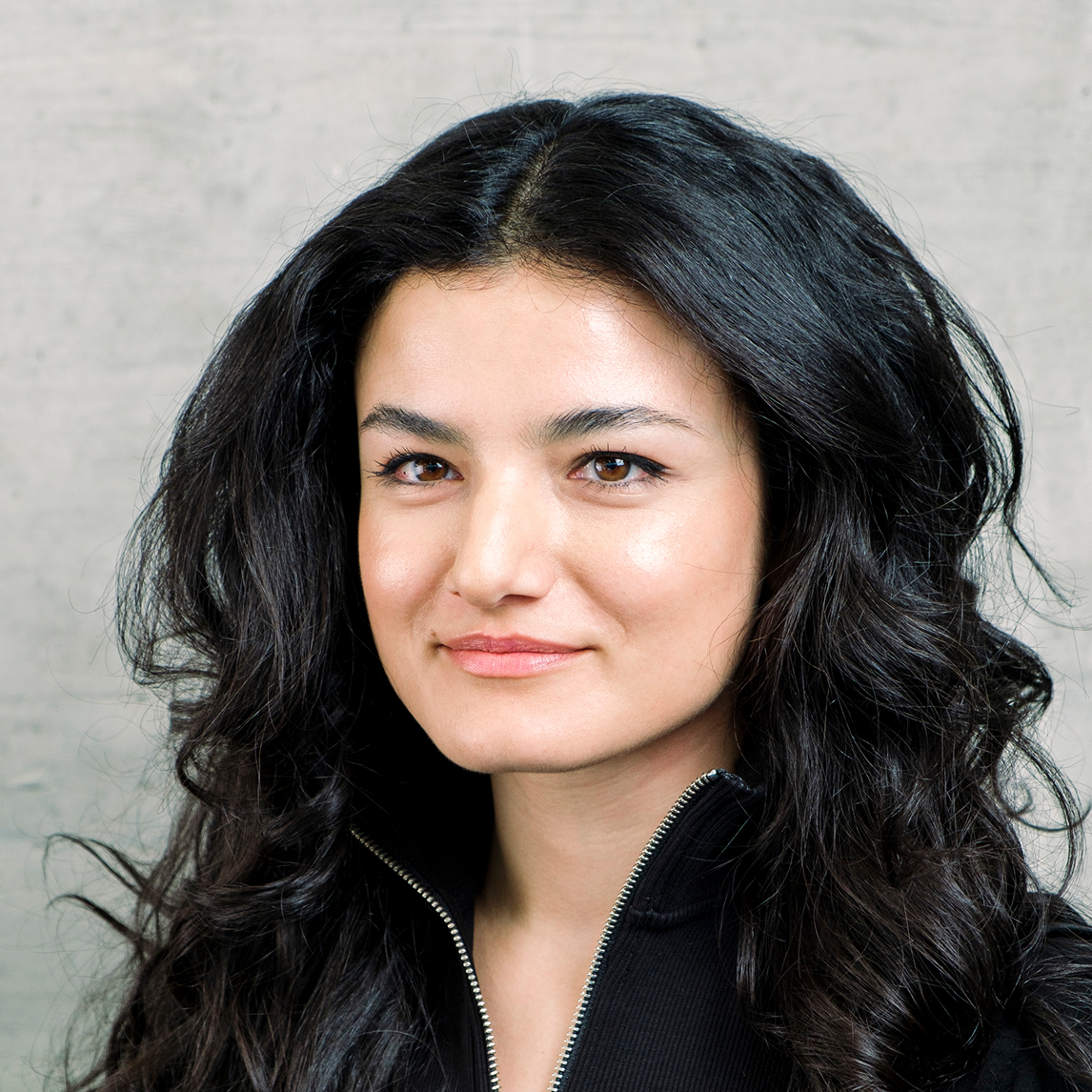
Architect+Neuroscience Researcher
Architect and researcher in the field of neuroscience applied to architecture, Federica Sanchez graduated in Architecture from the Politecnico di Milano and the Technische Universiteit Delft, subsequently obtaining a Master's Postgraduate Degree in Neuroscience applied to architectural design at IUAV. She is part of the NuArch research project, led by neuroscientist Giacomo Rizzolatti at the Institute of Neuroscience of the CNR, and collaborates with MySpace Lab, a research centre of the Department of Clinical Neuroscience at the University of Lausanne. She worked as an architect in Japan and the Netherlands before returning to Italy to focus on the connection between architecture and neuroscience, both in research and design application. Since 2020, he has been part of the Neuroscience Lab at Lombardini22 and collaborates with several Italian universities, coordinating three doctoral programmes at the intersection of neuroscience and architecture.

Designer
An interdisciplinary designer working across communication, user experience, and data visualisation. She holds a Bachelor's degree in Interior Design and a Master's degree in Communication Design from Politecnico di Milano. During her studies, she spent a semester in Lisbon focusing on Interaction Design, further refining her approach to researching and understanding user experience. Her multidisciplinary background led her to NE+AR, where she works on visualising data from experiments and research projects, supports the company's communication activities, and contributes to the development of new studies and researches. Driven by a strong interest in interpreting and translating complexity, she combines analytical thinking with a design-oriented approach to make measurable aspects of human experience accessible and engaging.
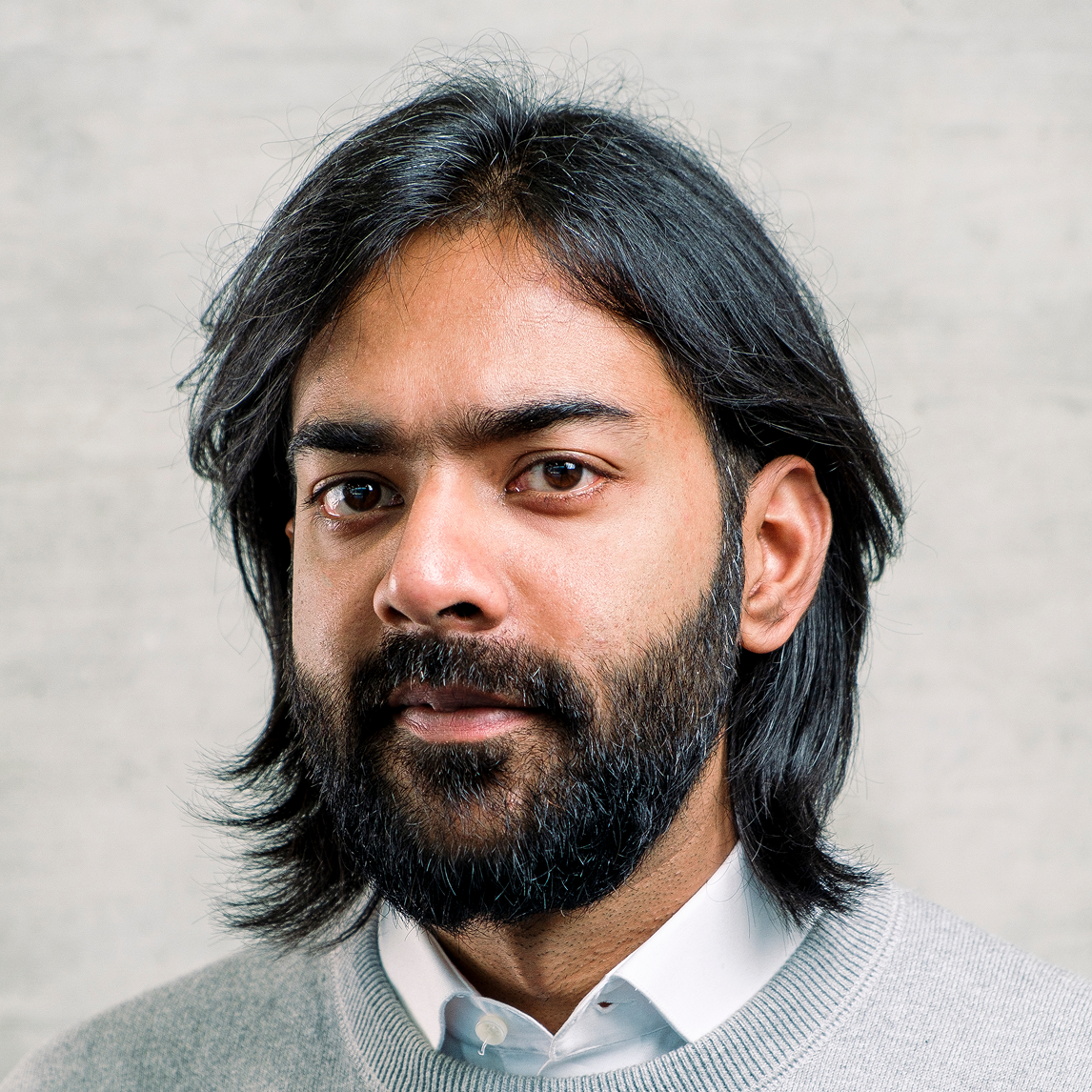
Architect+Neuroscience Researcher
An architect with a focus on spatial research, data interpretation and the cognitive aspects of spatial experience, Ashwanth Ramkumar works between architecture and neuroscience, contributing to projects that combine spatial analysis, design reasoning and user-centred evaluation methods. His skills include design, 3D modelling 3D modelling and visualisation, data management and scripting, as well as collaboration between design and cognitive science teams. He has experience in structuring studies, interpreting spatial data and contributing to conceptual development and technical execution in research on the built environment.

Biomedical Engineer
Biomedical Engineering graduate from Politecnico di Torino, specialized in biomedical instrumentation. Former Research Fellow at Harvard Medical School, where he conducted several studies on knee osteoarthritis, with expertise in wearable devices, rehabilitation, neuroscience, and biosignal analysis. Strong background in data analysis and coding, supported by a deep understanding of physiological mechanisms.
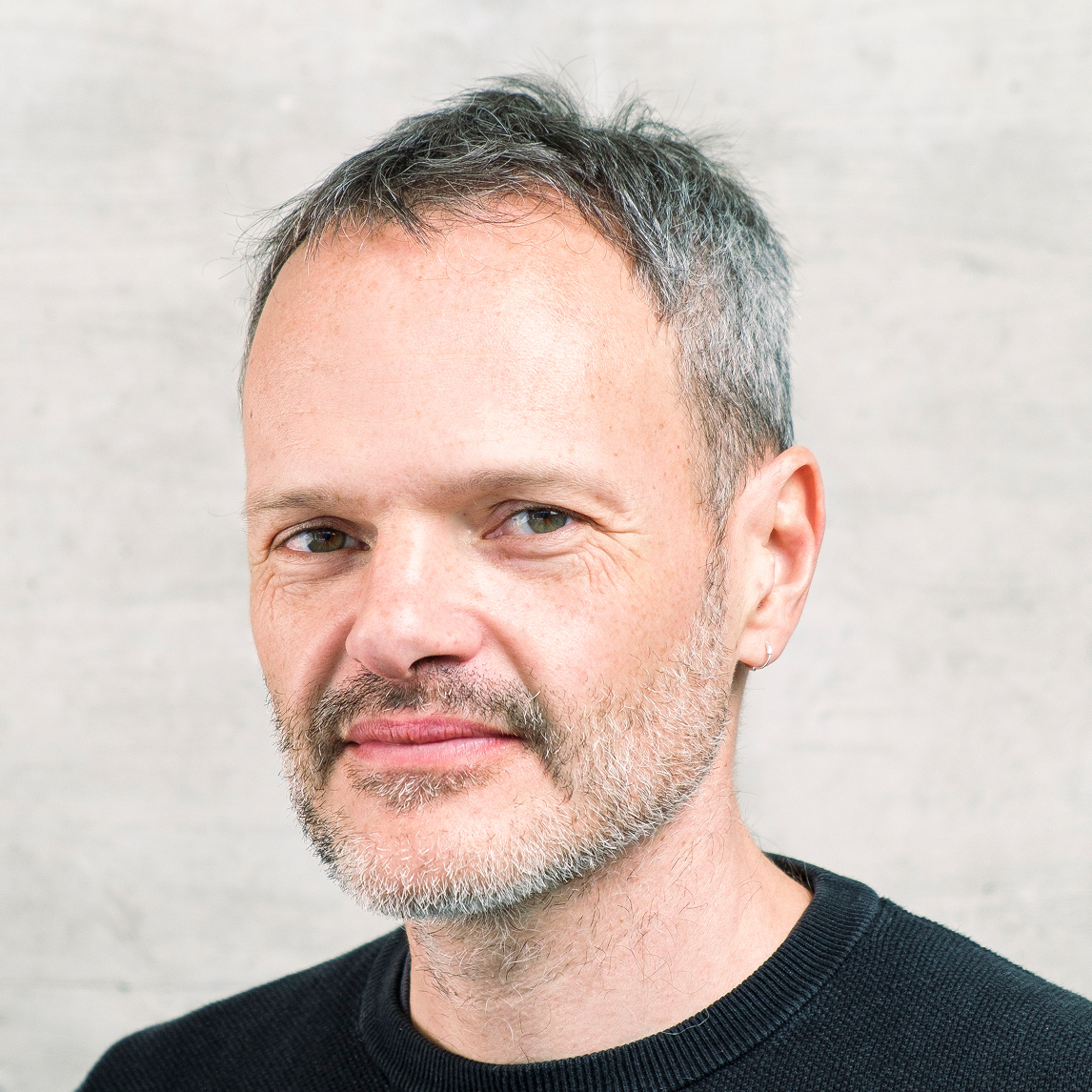
Neuroscientist
Professor and Director of the Neurorehabilitation Research Centre and MySpace Lab at the Department of Clinical Neuroscience at Lausanne University Hospital (since 1 August 2022), Andrea Serino graduated with honours in Experimental Psychology from the Vita-Salute San Raffaele in Milan and obtained his doctorate in Clinical and Experimental Psychology from the University of Bologna in 2006. He has held prominent positions as Scientific Consultant at MindMaze SA in Lausanne (2022-2024), SNFS Professor and Director of the MySpace Lab (2017-2022), and Senior Scientist at the Cognitive Neuroscience Laboratory at EPFL in Lausanne (2012-2016). He has also worked as a Neuropsychologist at the Cognitive Neuroscience Centre in Cesena and has conducted research at the Institute of Cognitive Neuroscience at University College London and INSERM in Dijon.
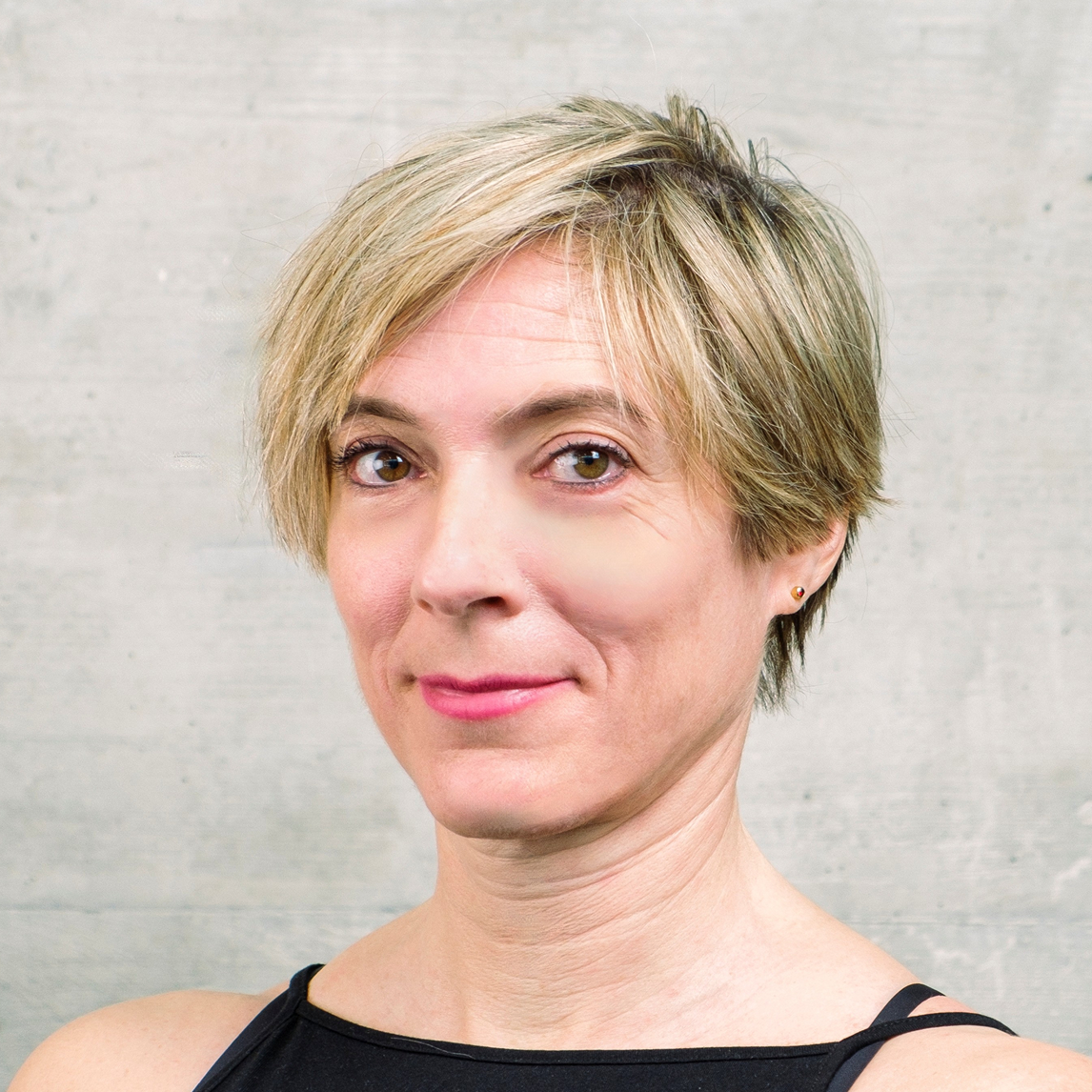
Computational Neuroscientist+Consultant
Lead Data Scientist with over 20 years of experience in using data to model biological systems, Anna Custo holds a PhD in Computer Science from MIT and a post-doctorate from Harvard Medical School. She combines solid expertise in Data Science with the creativity and discipline necessary to develop successful products. She specialises in designing models, simulations and hypothesis testing to extract meaningful information from complex clinical data. Among her major achievements are the design of a test for the early diagnosis of schizophrenia and the programming of a self-learning strategy for a robotic arm reaching task. Anna is a fast learner, versatile and a creative problem solver, with excellent skills in communicating highly specialised content to a multidisciplinary audience, both in presentation and teaching contexts.